Is Cape Town Safe? Essential Local Safety Tips & Logistics (2026)
Cape Town is safe for tourists who use the same street sense they would apply in any major city, but it does demand more awareness than a weekend in other cities. I’ve lived here my whole life, and the honest answer sits somewhere between the panicked warnings you’ll find on old forum threads and the breezy “just be sensible” line tour operators like to repeat. Neither tells you what you actually need to know before you land at CPT.
This guide is the version I give my own visiting friends and family: where the real risks sit, how locals move around the city after dark, and the small logistical habits (car guards, eSIMs, load shedding apps) that make the difference between a smooth trip and a stressful one. No clichés, just what works.
Quick Reference: Cape Town Safety At A Glance
| Topic | Risk Level | What To Do |
|---|---|---|
| Tourist hubs (Waterfront, Camps Bay, Sea Point) | Low | Normal city awareness, no special precautions |
| Walking at night, City Bowl or quiet streets | High | Take an Uber, even for five-minute trips. |
| Table Mountain / Lion’s Head hikes | Moderate | Never hike solo, stay on marked trails, start early |
| ATMs and outdoor café tables | Moderate | Cover your PIN; don’t leave phones unattended |
| Driving and parked cars | Moderate | Never leave valuables visible on seats. |
| Metered taxis vs Uber | Low with Uber | Use Uber or Bolt; avoid unmarked taxis |

Is Cape Town Safe For Tourists?
Yes, and here’s the nuance that actually matters. Cape Town’s crime statistics get quoted constantly in travel forums, but those numbers are pulled from the entire metro area, including neighbourhoods that sit nowhere near a tourist’s itinerary. The areas visitors actually spend time in tell a very different story.
Tourist Areas vs. The Wider City
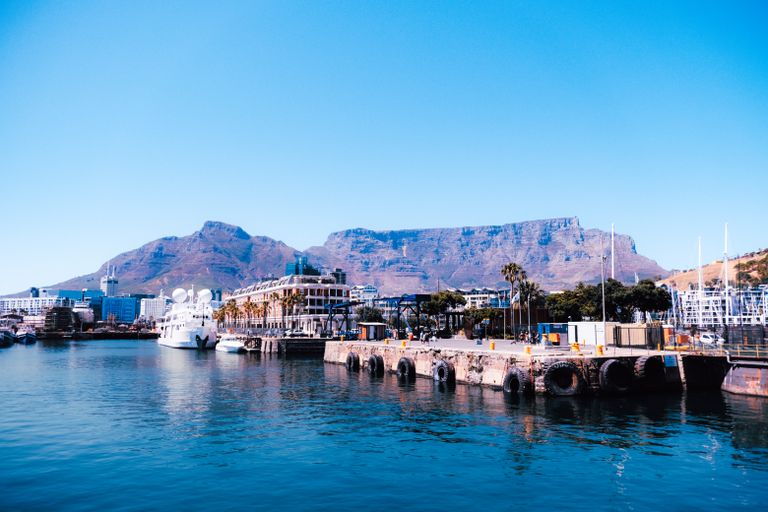
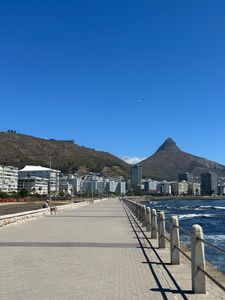
The V&A Waterfront, Camps Bay, Sea Point, Constantia and the Cape Winelands are heavily policed, well lit, and monitored by private security on top of municipal police. I walk through these areas myself without a second thought during the day. The statistics that dominate international headlines come from parts of the city tourists rarely have reason to visit, and lumping them together with, say, a stroll along the Sea Point Promenade gives you a badly skewed picture.
That doesn’t mean tourist areas are risk-free. It means the risk profile is closer to any well-off, well-patrolled neighbourhood in a major global city, not a warzone.
Cape Town Safety For Solo Female Travellers
I get asked about this constantly, and my honest take is that Cape Town is manageable for solo female travellers who follow the same rules any local woman does. Daytime movement in tourist and residential areas is straightforward. Evenings require more planning: pre-book your Uber before you leave a restaurant rather than trying to hail one on the street, share your live location with someone when heading out at night, and choose accommodation with secure, monitored entry rather than the cheapest option on the map.
Solo women travel through this city every week without incident. The difference between a good trip and a bad one usually comes down to whether they treated Cape Town like a city that requires planning after dark, rather than one where you can wing it.
Section 2: Practical Urban Safety Rules
Night Walking Rules
This is the rule I repeat most often: don’t walk after dark, even for two blocks, even if the route looks quiet and safe on Google Maps. The City Bowl empties out fast once offices close, and deserted streets are exactly where opportunistic theft happens, not because Cape Town is uniquely dangerous, but because empty streets anywhere invite it. Uber fares here are genuinely inexpensive by international standards, so there’s no financial reason to risk the walk.
If you’re staying somewhere like Bo-Kaap or the CBD and want to go three streets over for dinner, order the car. I do this myself, and I grew up here.
ATM and Petty Theft Caution
Card skimming and distraction scams at ATMs happen here as they do in most major cities, so use machines inside banks or shopping centres rather than freestanding street ATMs, and always shield your PIN with your other hand.
At outdoor cafés, keep your phone off the table. It sounds obvious, but a phone left face-up on a restaurant table in a busy area like Kloof Street or Bree Street is the single most common item that goes missing, usually grabbed by someone walking past rather than anyone sitting nearby. The same goes for cameras and sunglasses left unattended while you’re focused on a menu.
Hiking Safety on Table Mountain and Lion’s Head
Table Mountain and Lion’s Head are genuinely safe hikes when done properly and genuinely risky when done carelessly. Never hike alone. Muggings on quieter trails, though infrequent, do happen, and they almost always target solo hikers on less-trafficked routes rather than groups on the main paths.
Stick to marked trails. Cape Town’s weather shifts fast, and the mountain’s cloud cover (locals call it the tablecloth) can drop visibility to almost nothing within twenty minutes. Start early enough that you’re not descending in the dark, particularly for Lion’s Head sunrise hikes, where the walk down needs to happen before the crowds and daylight both thin out.
Get The Full Cape Town Planning Toolkit
If you’re piecing together safety logistics alongside your itinerary, accommodation and Winelands route, it’s worth bookmarking this post now. I update the emergency numbers and app recommendations whenever things change, so it’s one page you can return to right before you land rather than re-researching from scratch.
Section 3: Transportation and Driving Logistics

Uber vs Metered Taxis
Uber is how I get around the city myself, and it’s what I recommend to every visitor without exception. This app gives you an upfront fare, a tracked route, and a driver profile before you get in the car, which matters far more here than in a city with a reliable, regulated, metered taxi fleet.
Unmarked metered taxis still operate around tourist areas and the airport, and while many drivers are entirely legitimate, there’s no way to verify that in the moment. Stick to the apps.
| Option | Safety | Cost | Notes |
|---|---|---|---|
| Uber | High | Low to moderate | Tracked, upfront pricing, driver rating visible |
| Metered street taxis | Variable | Often negotiated | No tracking; avoid unless booked through your hotel. |
| Self-drive rental | Moderate | Moderate | Good for the Winelands, requires the valuables rule below |
| MyCiTi bus | Moderate | Low | Fine for daytime routes like the Waterfront and CBD |
Car Guards in Cape Town
Car guards are a genuine local institution, not a scam, and I always want visitors to understand this before they’re standing in a parking lot feeling confused. In most street parking areas and many informal car parks, a car guard, usually wearing a reflective vest, will help direct you into a space and keep an eye on your vehicle while you’re gone.
The going rate is R5 to R10 when you return to your car, paid in cash. It’s not compulsory, but it’s the local norm, and the guards genuinely do reduce break-ins in the areas they cover. Keep a bit of small change on you specifically for this.
Valuables in Vehicles: The Golden Rule
Never leave anything visible on the seats when you park, not a jacket, not a charging cable, not a shopping bag, nothing. This is the single most common cause of break-ins, and it has nothing to do with the value of the item. A jacket on a passenger seat can look like it’s covering something valuable, and that’s enough. Put everything in the boot before you arrive at your destination, not after you’ve parked, since someone could be watching the transfer.
Section 4: Essential Local Logistics and Tech Hacks
Connectivity: Why You Need an eSIM on Arrival
Having mobile data the moment you land at Cape Town International is a safety essential, not a convenience. You need it for Uber, for offline-capable maps, and for being reachable if plans change. I’d install an eSIM (Airalo and Holafly both work reliably here) before you fly, so you land already connected rather than hunting for airport WiFi or a SIM kiosk queue.
Power Logistics: Understanding Load Shedding
Load shedding, South Africa’s rolling power cuts, has improved significantly but hasn’t disappeared entirely, and it affects traffic lights, ATMs, and WiFi during outages. Download the EskomSePush (ESP) app before your trip. It gives you the exact schedule for your area, so you’re not caught without data or cash access mid-outage.
Keep a portable power bank charged and on you, particularly on days you’re relying on your phone for navigation or ride bookings. This is the single most useful practical habit I recommend to every visitor.
Cape Town Emergency Numbers
Save these before you land, not after something happens.
| Service | Number | When To Use |
|---|---|---|
| Tourists Safety Helpline | +27 (0)21 487 6552 | Non-urgent tourist-specific incidents or advice |
| General Emergency (mobile) | 112 | Any life-threatening emergency; connects to police/ambulance/fire |
| Cape Town Metro Police | +27 (0)21 480 7700 | Local police matters, theft reports, non-life-threatening incidents |
Final Thoughts: Enjoy Cape Town With Your Eyes Open
None of this is meant to put you off. I live here, I raise my own concerns about this city honestly, and I still think it’s one of the best places in the world to spend a week or two. The safety habits above aren’t unusual; they’re the same instincts most of us apply automatically, whether we’re in Cape Town, Johannesburg, or any other major city with real economic inequality on display.
Book your Uber before you need it, keep valuables out of sight, respect the mountain, and carry a bit of cash for the car guards. Do that, and the rest of your trip is just Cape Town: the mountain, the coastline, and a food and wine scene that genuinely earns its reputation.