Where to Stay in Cape Town Solo: Safe Neighbourhoods & Best Hotels
Disclosure: This post contains affiliate links. If you make a purchase through these links, I may earn a small commission at no extra cost to you.
I’ve lost count of the number of solo travellers who’ve messaged me in a panic the week before their flight, asking whether Cape Town is “safe enough” to explore alone. The honest answer is yes, but only if you’re strategic about where you sleep. This city rewards people who choose their base carefully and punishes those who book the cheapest Airbnb without checking a map first. Looking for a hassle-free way to head straight from your flight to your hotel? You can easily pre-book a reliable private airport transfer using the search bar below to secure a fixed rate before you land.
I’ve lived here my whole life, and I’ve walked, Ubered, and house-sat my way through most of these neighbourhoods. Below is my real answer to where a solo traveller should actually stay, not the sanitised version you’ll find on a hotel booking site.
Quick Comparison: Best Areas for Solo Travellers
| Neighbourhood | Best For | Walkability | Nightlife Access | Price Level |
|---|---|---|---|---|
| Sea Point | First-timers, joggers, longer stays | Excellent | Moderate | Mid-range |
| De Waterkant | Style-conscious solo women, LGBTQ+ travellers | Excellent | High | Mid to high |
| Gardens / Tamboerskloof | Quiet professionals, remote workers | Good | Low to moderate | Mid-range |
| V&A Waterfront | Anxious first-timers, short stays | Good (contained) | Moderate | High |
| Camps Bay | Beach lovers with a bigger budget | Moderate | High (seasonal) | High |
| Woodstock | Creatives, longer-stay digital nomads | Moderate | Low | Budget to mid |
| Observatory | Students, backpackers, budget travellers | Moderate | Moderate | Budget |
Sea Point: My Top Pick for Most Solo Travellers
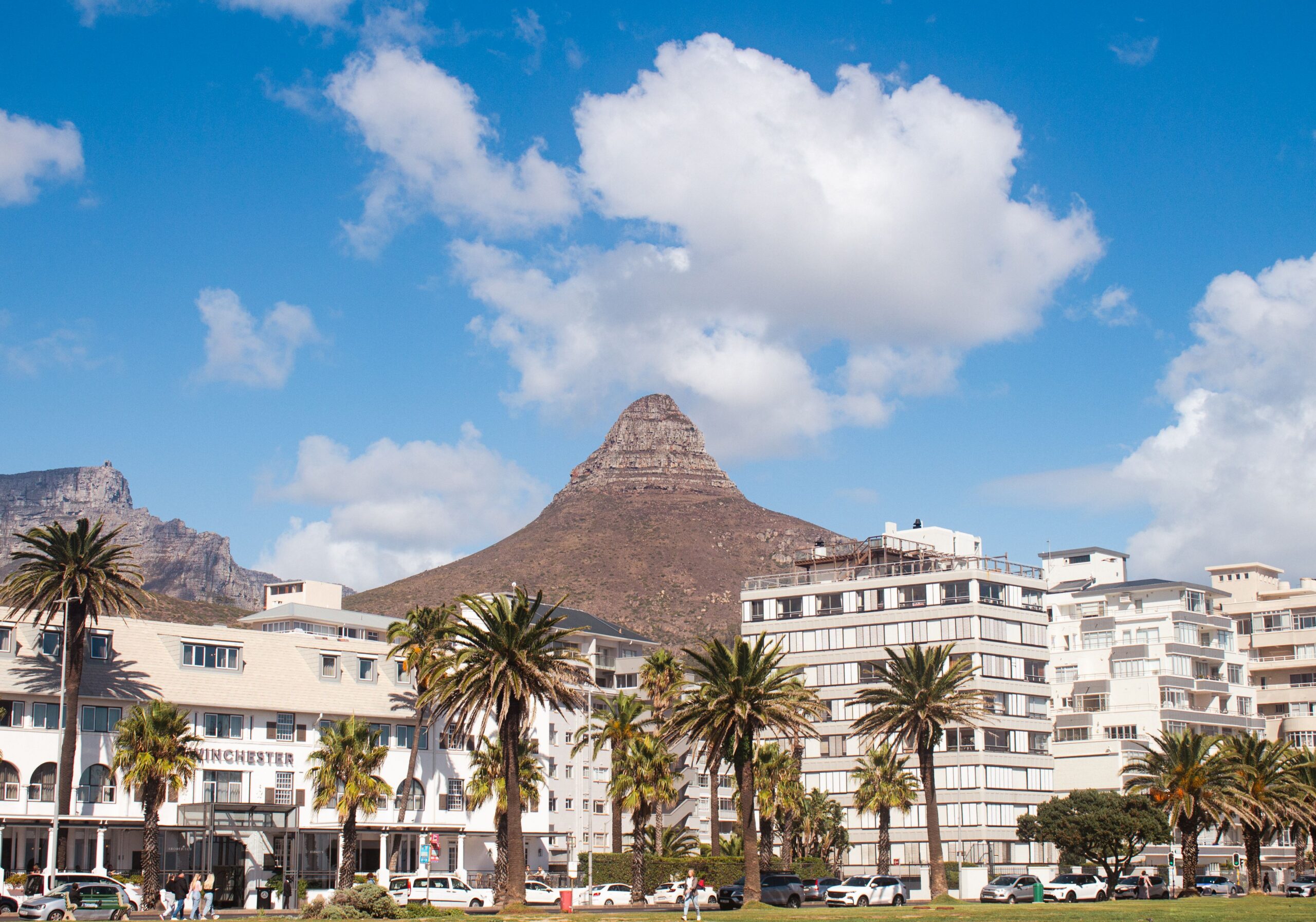
If you asked me to choose one neighbourhood for a first-time solo visitor, I’d say Sea Point without hesitation. The Promenade runs for several kilometres along the Atlantic coast, and it’s genuinely one of the few places in the city where you can walk alone at almost any hour and see other people doing the same.
It’s not glamorous. It’s practical.
- Flat, walkable streets with good lighting
- A steady stream of locals running, walking dogs, and cycling from early morning to late evening
- Supermarkets, pharmacies, and laundrettes within easy reach
- A short Uber ride to the City Bowl or V&A Waterfront
I’d recommend a self-catering apartment along Beach Road or one street back on Regent Road. You get sea views without paying Camps Bay prices, and you’re close enough to walk to a decent flat white in the morning without checking your phone for directions every thirty seconds.
Budget-conscious solo travellers do well here too. There are several well-run guesthouses and small hotels a few streets back from the water that cost considerably less than anything beachfront, while keeping you within a ten-minute walk of the Promenade.
De Waterkant: For Solo Travellers Who Want a Social Base
De Waterkant is a small, cobbled, brightly painted neighbourhood wedged between the City Bowl and the harbour, and it’s become something of an unofficial hub for LGBTQ+ travellers and solo women who want a bit more buzz in the evenings.
What I like about it as a solo base:
- Compact enough that you’ll never need a car
- A concentration of small guesthouses, many run by owners who live on-site
- Genuinely good restaurants and bars within a five-minute walk of most accommodation
- A short, walkable route down to the Waterfront during the day
The trade-off is price. You’re paying for location and character here, and it’s rarely the cheapest option on the list. I’d point solo travellers here if they want to meet people without relying entirely on organised tours, since the guesthouse owners tend to know everyone and everything.
Gardens and Tamboerskloof: For the Traveller Who Wants Cape Town, Not a Postcard of It
These two neighbourhoods sit just below Table Mountain, a short uphill walk from the city centre, and they’re where I’d send a solo traveller who’s done this before and wants somewhere that feels like an actual neighbourhood rather than a tourist strip.
Kloof Street is the spine of the area, lined with independent coffee shops, bookshops, and restaurants that locals genuinely use, not just performative “authentic” spots dressed up for visitors. During the day, it’s one of the most pleasant places in the city to work from a café table for a few hours.
A few honest notes:
- Streets are steeper and quieter after dark than Sea Point or De Waterkant
- I’d still recommend booking accommodation with secure off-street parking or a gated entrance if you’re staying more than a few nights
- It’s a five to ten minute Uber into the city centre, which keeps you close without the noise
This is a strong pick for remote workers and repeat visitors who want a slower pace.
The V&A Waterfront: The Safety-Net Choice
I won’t pretend the Waterfront is where I’d choose to stay myself, but I recommend it constantly to first-time solo travellers who are anxious about safety, and I think that’s a legitimate reason to book it.
It’s a private, managed precinct with its own security, well-lit walkways, and everything from restaurants to a cinema to a pharmacy within the complex itself. You can genuinely spend an evening there without needing an Uber at all.
The trade-off is that it doesn’t feel like Cape Town. It feels like an upmarket shopping centre with hotel rooms attached, because that’s essentially what it is. I’d suggest it as a two or three night landing pad before you move somewhere with more character, rather than your entire trip.
☞ Before you book anything, grab the guide I actually send my own friends before they visit: The Ultimate Cape Town Master Travel Planner & Safety Vault ($27). It’s the neighbourhood-by-neighbourhood safety breakdown, Uber and transport rules, and my personal shortlist of guesthouses and small hotels for solo travellers, all in one place, so you’re not piecing this together from twelve different blog posts at midnight.
Camps Bay and Clifton: Beautiful, But Know What You’re Paying For
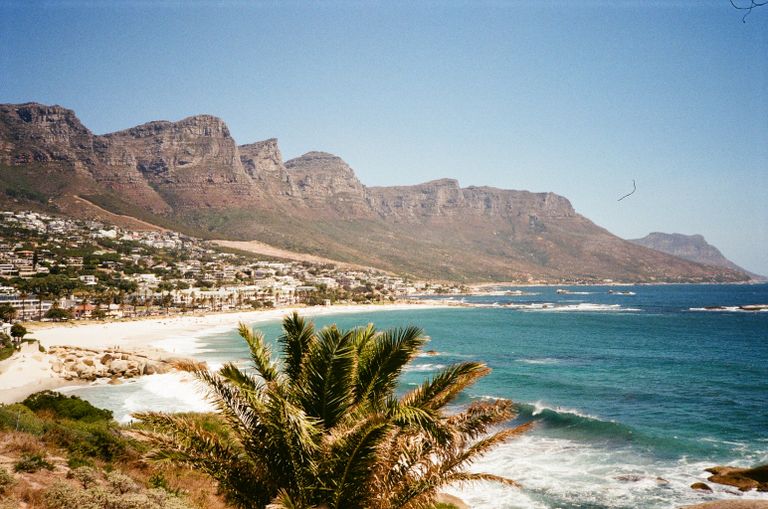
Camps Bay gets recommended constantly, and I understand why. The beach is genuinely lovely, the mountain backdrop is dramatic, and the restaurant strip along the main road is lively most nights of the week.
For a solo traveller, though, I’d flag a few things:
- It’s car-dependent. Walking to the city centre isn’t realistic, and walking alone late at night along the main road isn’t something I’d recommend, purely because it’s dark and quieter than you’d expect for how upmarket it is
- Accommodation prices run high, especially anything with a sea view
- It’s better suited to a day trip or a two-night splurge than your full solo base
If the beach lifestyle is the whole point of your trip, book it, but pair it with Uber rides rather than assuming you’ll walk everywhere the way you might in Sea Point.
Woodstock and Observatory: Budget-Friendly, With Caveats
These two neighbourhoods sit east of the City Bowl and attract a younger, more budget-conscious, creative crowd. Woodstock in particular has become known for its street art, design studios, and a genuinely good Saturday market at the Old Biscuit Mill.
I recommend these areas to solo travellers who:
- Are comfortable navigating a slightly rougher urban edge in exchange for lower prices
- Plan to use Uber rather than walk after dark
- Want proximity to a more local, less polished side of the city
Observatory (“Obs”) is popular with students and backpackers for good reason: it’s cheap, it has character, and there’s a strong hostel scene if you want to meet other solo travellers immediately. I’d still avoid walking around alone late at night in either neighbourhood. This is genuinely one of the only firm rules I’d give you for this whole city.
Practical Logistics and Safety Rules I Give Every Solo Traveller
This is the part people skim and then message me about later, so I’m going to be direct.
- Use Uber or Bolt after dark, always. Not a rule I apply selectively depending on the neighbourhood. Cape Town’s public transport isn’t set up for tourists navigating alone at night, and walking after sunset, even in “safe” areas, isn’t worth the risk.
- Don’t rent a self-drive car for the sole purpose of getting around the city. It’s genuinely more hassle than it’s worth for someone staying in Sea Point, De Waterkant, or the City Bowl. Save the rental for a proper road trip out to the Winelands or the Garden Route, and use Uber for everything within the city itself.
- Book a private tour or transfer for Table Mountain and the Cape Peninsula on your first outing. Not because you can’t manage independently later, but because a good local guide will teach you the geography and the do’s and don’ts far faster than a guidebook will, and it removes the guesswork from your first big day out.
- Keep your accommodation’s address saved offline, since signal can be patchy in some pockets, particularly around the mountain.
- Avoid unmarked minibus taxis as a solo tourist. Locals use them constantly and they’re a legitimate transport system, but they’re not designed for visitors without local knowledge of routes and stops.
- Trust your gut over your itinerary. If a street feels wrong, it probably is. Cape Town locals are generally very willing to redirect a lost-looking tourist, so ask rather than push on.
None of this is meant to frighten you. I give this exact list to friends visiting from overseas, and every one of them has had a genuinely excellent trip.
☞ If you want the full breakdown, including exact streets to avoid after dark, my personal Uber safety habits, and a proper day-by-day itinerary template, it’s all in The Ultimate Cape Town Master Travel Planner & Safety Vault ($27). I built it specifically for solo travellers asking me these questions, so you can stop cross-referencing five different forums and just get on with planning the trip.
My Final, Honest Advice
If you want one answer and nothing else: book Sea Point or De Waterkant for your first Cape Town trip. Both give you walkability, a steady stream of people around you, and easy access to the rest of the city without needing a car.
Save Camps Bay for a short splurge, save Woodstock and Observatory for when you’re comfortable with the city’s rhythm, and treat the Waterfront as a safe landing pad rather than your whole trip.
Cape Town isn’t a city that needs to be feared into caution. It needs to be respected the way you’d respect any major city, with a sensible base, a reliable way of getting around after dark, and a bit of local insight before you land.