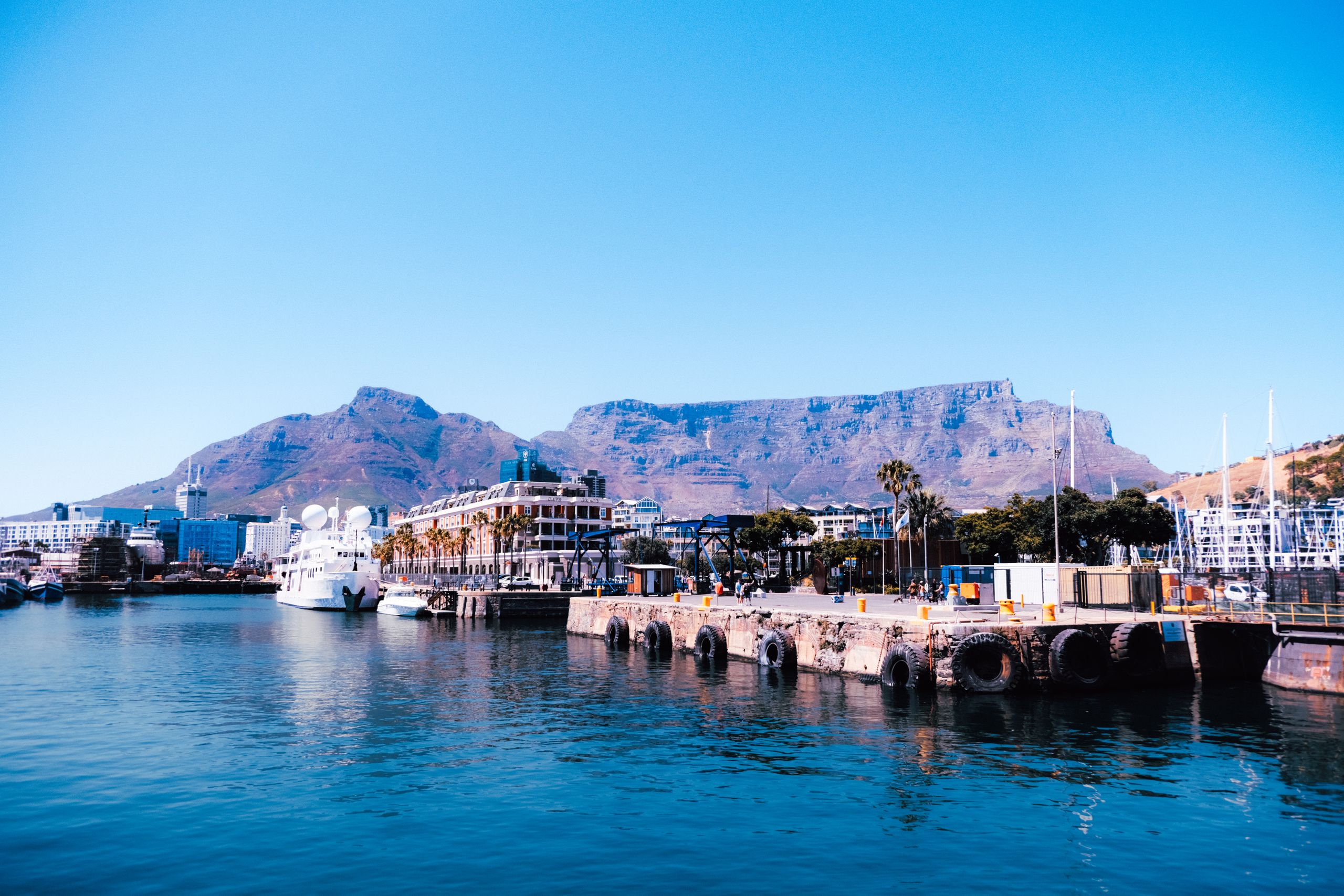
Cape Town Travel Guide: The Ultimate Local Insider Cheat Sheet
So, you’re planning a trip to the Mother City and looking for the ultimate Cape Town travel guide! As a born-and-bred local, I can tell you right now: Cape Town is one of the most breathtaking, vibrant, and diverse cities on earth. But if it’s your first time visiting, planning an itinerary can feel a little overwhelming. Between choosing the right suburb, avoiding overpriced tourist traps, and navigating our notorious South-Easter wind, there’s a lot to know before you land.
I put together this guide to walk you through everything you need to plan the perfect trip. Think of this as your local bestie; I’ve broken down my personal recommendations by category, with links to my deep-dive guides for each area.
1. Where to Stay: Choosing the Right Base Camp
One of the biggest mistakes I see first-time visitors make is booking accommodation strictly based on pretty pictures without realising how spread out Cape Town actually is. The neighbourhood you choose completely shapes your day-to-day experience and overall experience.
For First-Timers & Sunset Lovers: Head straight to the Atlantic Seaboard (Camps Bay or Sea Point). You get coastal views, easy access to the promenade, and sunset views every night.
For Foodies & Nightlife: Stay around Kloof Street or the City Bowl. It’s central, walkable, and packed with independent coffee shops, bars, and local boutiques.
For a Coastal Village Vibe: Base yourself in Kalk Bay or Muizenberg along False Bay for tidal pools, surf culture, and bohemian cafes.
2. Top Things to Do & Bucket-List Experiences
You could spend a month in Cape Town and still not scratch the surface of things to explore. While Table Mountain and the V&A Waterfront are non-negotiable, I always suggest balancing iconic sights with local experiences.
Must-do experiences for any itinerary:
- Sunrise at Lion’s Head: Beat the heat and watch the city wake up from above.
- Boulders Beach Penguins: Visit early in the morning before the tour buses arrive to see the African penguin colony in Simon’s Town.
- Sunset at Llandudno or Signal Hill: Grab a picnic blanket, pack some cold drinks, and join the locals for golden hour.
3. Food, Wine & Market Culture
If there’s one thing we Cape Townians take seriously, it’s our food, coffee, and dance “groove” culture. From fresh seafood straight off the harbour boats to world-class fine dining that won’t break the bank, eating your way through the city is half the adventure.
Coffee Culture: Always order a “flat white”. My go-to spots for remote work and serious espresso are found along Kloof Street and in Kalk Bay.
Local Dishes to Try: You cannot leave without trying authentic Cape Malay koesisters, fresh slap chips with snoek, and a traditional weekend braai.
Weekend Markets: Don’t miss the Oranjezicht City Farm Market at the V&A Waterfront on weekends for local produce, artisanal bakes, and ocean views.
4. Staying Safe & Local Logistics (Car Guards & Uber)
Let’s address the elephant in the room: safety. Cape Town is a fantastic destination, but like any major global city, it requires common-sense urban awareness.
My golden safety rules in Cape Town:
Getting Around: Uber is incredibly safe, fast, and affordable throughout Cape Town. You don’t necessarily need to rent a car unless you’re planning regional road trips.
Car Guard Etiquette: If you do drive, you will encounter local car guards in high-visibility vests along street parking spots. I always tip between R5 and R10 for quick day trips and R20+ for evening parking. It’s standard local etiquette and keeps your vehicle watched.
Hiking Safety: Never hike solo—always go in groups of two or more, stick to marked trails, and keep emergency contacts saved on your phone.
5. Understanding Cape Town’s Seasons & Weather
Cape Town weather is legendary—we literally have four seasons in one day! The key to a smooth trip is knowing what time of year matches your travel style.
Summer (Nov – Feb): Hot, buzzing beach weather, but watch out for the infamous “Cape Doctor”—our strong south-easterly wind that blows through the city!
Autumn (Mar – May): My absolute favourite season. Calmer winds, warm ocean temperatures, and fewer crowds.
Winter (Jun – Aug): Green mountain hikes, cosy fireplaces in the Winelands, and whale watching along False Bay.
6. Day Trips & Regional Escapes
While the city centre has plenty to offer, some of the Cape’s best treasures lie just an hour or two outside the bowl.
If you have extra days, plan at least two regional excursions:
The Cape Peninsula Loop: Drive Chapman’s Peak Drive down to Cape Point and Noordhoek
The Cape Winelands: Spend a day wine tasting and dining in Franschhoek, Stellenbosch, or Constantia.
7. What to Pack for Cape Town (Essential Packing Checklist)
Layers for four seasons in one day (a windbreaker for the Cape Doctor is non-negotiable).
Comfortable walking/hiking shoes for gravel and cobbles.
A South African 3-round-pin adapter (Type M) alongside standard European plugs.
Sunscreen and a hat (the Southern Hemisphere UV is intense, even on cloudy days).
8. Most Instagrammable & Photography Spots in Cape Town
Cape Town is an absolute dream for photographers and creators. Whether you are shooting with a professional camera or just snapping photos on your smartphone, these iconic spots deliver breathtaking visuals:
* Bo-Kaap’s Colourful Houses: The vibrant, rainbow-coloured historic homes along Wale and Rose Streets offer unmatched street photography. *Local tip: Visit early in the morning to capture clean shots without crowds in the frame.*
* Kalk Bay Tidal Pool & Station Walkway: Capture the crashing waves against the colourful seaside changing huts and tidal pool reflections.
* Camps Bay Beach & Palm Trees: Frame Table Mountain and the Twelve Apostles behind the palm tree-lined beach during golden hour.
* Chapman’s Peak Drive Lookout Points: Pull over at designated cut-outs along this dramatic cliffside coastal road for sweeping Atlantic Ocean panoramas.
* Signal Hill Sunset Spot: The ultimate vantage point to photograph the city lights turning on as the sun sets over the ocean.
9. Cape Town Budget & Money Tips (Currency, Cards & Tipping)
Card vs. Cash: Almost everywhere accepts Visa/Mastercard and Apple Pay, but keep small R5/R10 notes for car guards and markets.
Tipping Culture: The standard restaurant tip is 10%–15% for good service and R5–R10 for petrol station attendants.
10. Local Etiquette & Slang Cheat Sheet (Speak Like a Capetonian)
Robot: Traffic light (“Turn left at the next robot”).
Lekker: Great/awesome/delicious.
Braai: A South African BBQ (and a social culture, not just cooking!).
Howzit: Standard informal greeting (“How’s it going?”).
Now-now / Just-now: Local time logic (which ranges from 5 minutes to eventually!).
11. Navigating Load Shedding & Staying Connected (eSIM & Power)
Connectivity: Recommend grabbing a local Vodacom/MTN eSIM at Cape Town International Airport or setting up an Airalo eSIM before landing.
Power Hacks: Reassure readers that most tourist hotels/cafes have backup generators or inverters, but recommend downloading the ESP (EskomSePush) app just in case.
12. Frequently Asked Questions About Visiting Cape Town (FAQ)
How many days do you need in Cape Town?
5 to 7 days minimum
Can you drink tap water in Cape Town?
Yes, Cape Town tap water is world-class and perfectly safe to drink
Do I need a rental car in Cape Town?
Not for the City Bowl/Atlantic Seaboard—use Uber. Rent a car only for Peninsula loops and Winelands day trips